Water Line Repair Warning Signs: A Comprehensive Guide for Homeowners
Many homeowners fail to notice initial symptoms of water system troubles learn now until they escalate. Sudden increases in water bills, mysterious damp areas in the yard, and weak water pressure are just a handful of clues that something may be wrong. Cloudy water and unusual sounds from pipes can further add to the problem. Recognizing these warning signs is vital for preserving a healthy water system. What other signs should homeowners look out for to prevent costly repairs?
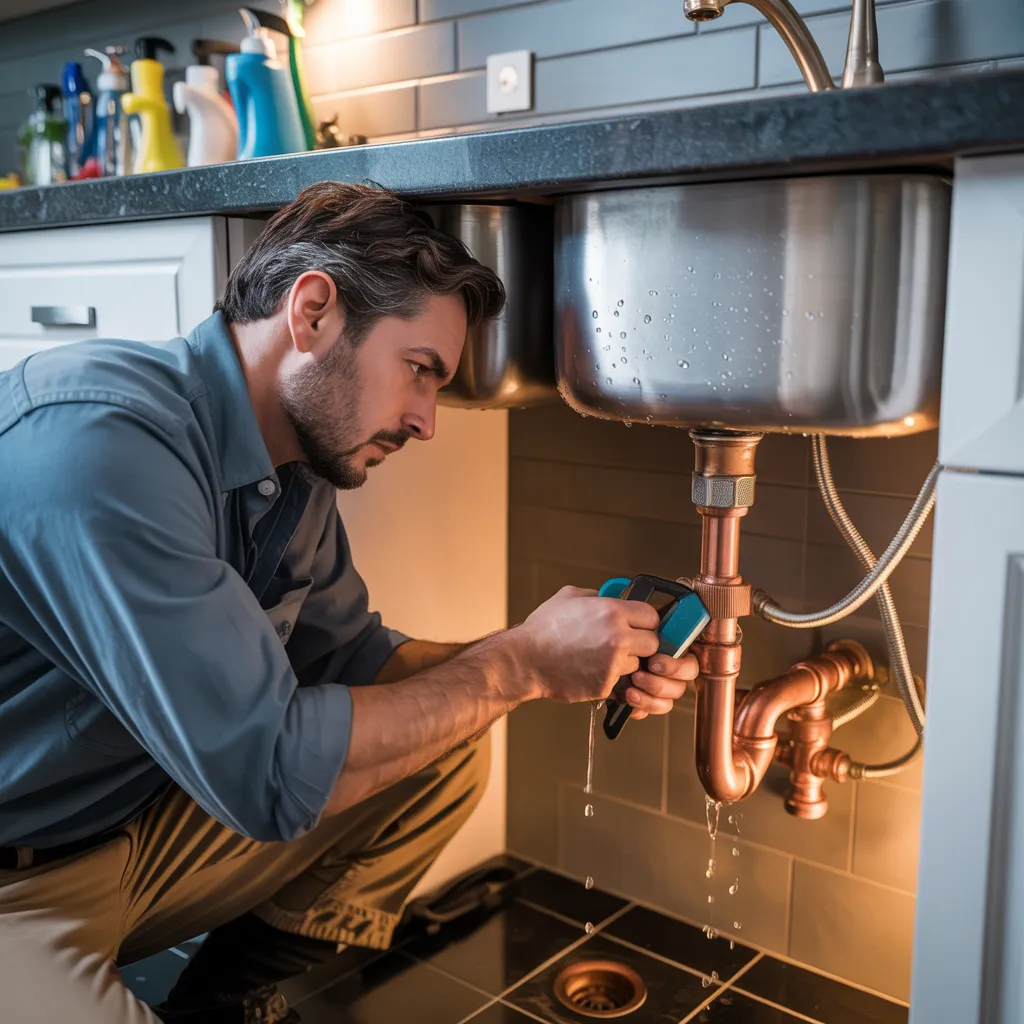
Unexpected Rises in Water Bill
A sharp increase in water bills can raise red flags for many property owners. These spikes typically point to underlying issues, including leaks in the water line. Homeowners may initially overlook the rise, attributing it to seasonal changes or increased usage, but it is essential to investigate further. Leaks left unattended may produce significant water waste and prospective property deterioration.
Furthermore, homeowners should consider other factors that may cause higher bills, such as changes in household occupancy or usage patterns. Nevertheless, if these factors do not account for the increase, a thorough inspection of plumbing and water lines becomes vital. Early detection of issues not only preserves money but also avoids extensive repairs down the line. Thus, a sudden spike in water bills should not be dismissed as a mere inconvenience, but rather as a signal to inspect the home's plumbing integrity.
Unexplained Water Spots in Your Property
How might homeowners spot possible water line troubles when they discover unexplained moisture spots in their yards? Unexplained wet spots can indicate a leak in the water line, which may not be immediately visible. Homeowners ought to observe the extent and duration of these moist areas. When the wet areas remain following dry weather periods, it may indicate ongoing water flow from a damaged pipe. Moreover, homeowners need to notice if the wet spots come with verdant grass sections or abnormally green vegetation, which can suggest surplus moisture.
To further investigate, they can conduct a simple test by marking the area and observing it over several days. If the wetness does not dissipate, it's recommended to consult a professional to inspect for hidden leaks. Prompt attention to these signs can avert greater damage and costly repairs in the future.
Reduced Water Pressure
Low water pressure frequently becomes a frustrating concern for homeowners, often originating from undetected issues within the water line, such as leaks producing soggy spots throughout the lawn. When water pressure drops, it can impede routine activities, making simple tasks like showering or washing dishes more difficult. Homeowners may notice weak streams from faucets or showerheads, which can signal underlying issues.
Beyond leaks, the collection of mineral deposits in pipes can reduce water flow, causing lowered pressure. Aging or corroded pipes may also add to this concern, as they can become narrow over time. If homeowners encounter low water pressure persistently, it is wise to look into further. Pinpointing the root cause early can avoid more extensive damage and expensive repairs in the future. Regular maintenance and timely attention to evidence of trouble can help sustain ideal water pressure in the home.
Dirty or Murky Water
Discolored or murky water can be concerning for homeowners, often suggesting underlying issues within the plumbing system. This water quality issue may result from rust, sediment, or other contaminants entering the water supply. Common causes include old pipes, especially those constructed from galvanized steel or iron, which can corrode and leach materials into the water. Additionally, disturbances in the water supply, such as construction work or changes in water pressure, can disturb sediments in the pipes, leading to discoloration.
Homeowners ought not to neglect discolored water, as it can pose health risks and signal the need for urgent attention. Testing the water is essential to establish the contaminants present, while reaching out to a professional plumber can help pinpoint the source of the problem. Timely intervention can avoid further damage to the plumbing system and ensure the safety of the household's water supply.
Odd Sounds Coming From Your Pipes
What could be causing the unusual sounds coming from the pipes? Homeowners may notice banging, gurgling, or hissing noises, which can suggest various issues within the plumbing system. Banging sounds, often called water hammer, might develop due to sudden changes in water flow, signaling the need for pipe securing or air chamber installation. Gurgling noises typically point to a blockage in the drain line or venting issues, potentially causing more serious problems if not addressed promptly. Hissing sounds might indicate a leak or pressure imbalance in the water line, requiring immediate attention to prevent water damage. Identifying these sounds early can help homeowners prevent costly repairs and maintain the integrity of their plumbing systems. Regular inspections and prompt repairs are essential to ensure a quiet and efficient water delivery system.
Common Questions
How Do I Find My Water Line for Inspection?
To identify the water line for inspection, it's recommended to check property records, search for water meter placements, inspect basement or crawl space areas, and trace visible pipes running from the property to the main supply line.
What Are the Common Causes of Water Line Leaks?
Common causes of water line leaks include deteriorating pipes, corrosion, invasive tree roots, shifting soil, earth movement, extreme cold, and improper installation. Every element plays a role in the weakening and failure of water line structural integrity over time.
How Frequently Should I Check My Water Lines?
Homeowners need to check their water lines a minimum of once per year. Consistent examinations can help uncover potential issues early, preventing costly repairs and making sure the system operates efficiently throughout the year.
Can I Fix a Water Line Myself?
Repairing a water line independently is feasible for some experienced individuals, but it frequently requires professional tools and knowledge. Homeowners should properly assess their skills and consider specialist help for complicated repairs to prevent further damage.
What Are the Long-Term Consequences of Neglecting Water Line Problems?
Neglecting water line issues can lead to severe structural damage, mold growth, and rising water bills. Over time, these concerns escalate, resulting in costly repairs and potential health hazards for occupants in the affected property.